Roof Leak Repair vs Replacement: Why Patching Costs You More
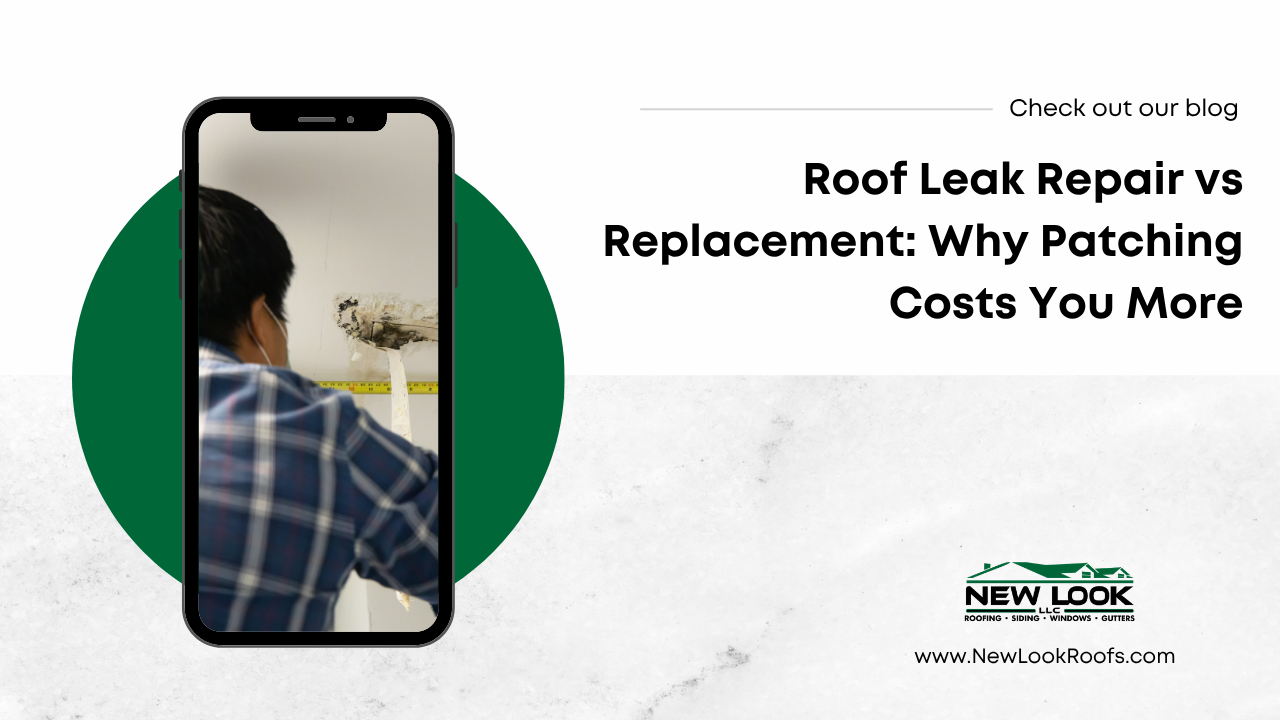
The first time your roof leaks, a repair makes sense. It's fast, it's affordable, and it solves the problem. But understanding the difference between roof leak repair vs replacement becomes critical when you're calling a roofer for the second or third time on the same roof. At that point, the math starts to work against you, and a full roof replacement may be the smarter call.
For Louisville homeowners, this pattern is more common than most people realize. Kentucky's spring hail, summer storms, freeze-thaw cycles, and high humidity put real stress on roofing systems. A roof that's been patched once is usually a roof that's going to need patching again.
Here's what that actually costs you over time, and how to know when a repair stops making sense.
The True Cost of Repeated Repairs
A single roof repair runs between $600 and $2,500 on average, depending on the scope of damage. That feels manageable compared to a full replacement, which typically ranges from $9,000 to $14,000 for a Louisville home. So the instinct to repair makes sense at first.
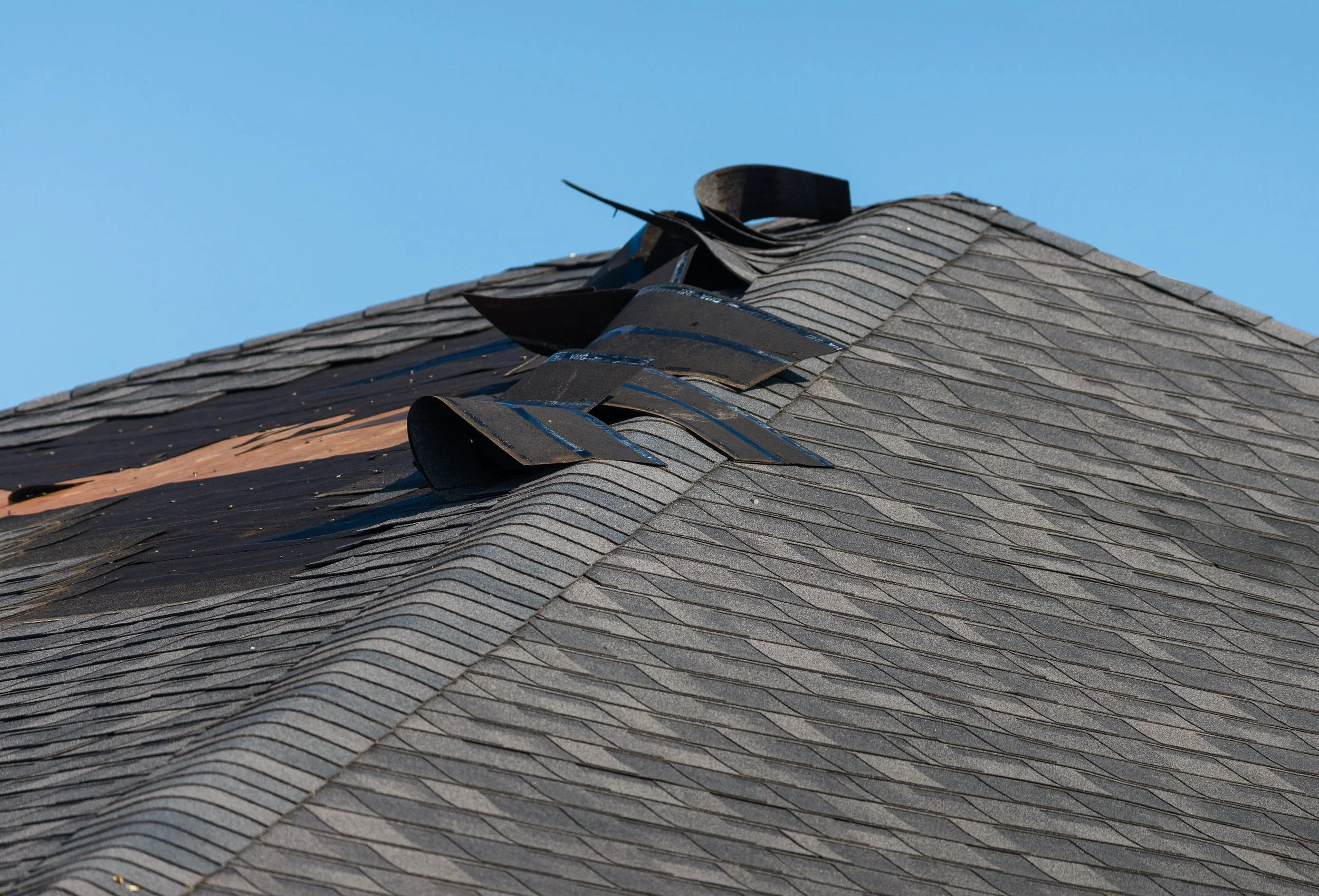
The problem is that leaks rarely happen in isolation. Once water finds a way through your roofing system, it starts doing damage in places you can't see. That damage compounds quietly until the next repair call, which is usually bigger than the last one.
Run three moderate repairs over five years and you've spent $4,000 to $7,000 on a roof that still needs a roof replacement. You've just paid a significant portion of a new roof with nothing to show for it in terms of longevity.
According to roofing industry data from RubyHome, 33% of homeowners replace their roofs specifically because of leaking, making it the single most common trigger for full replacement. That means a large number of homeowners who patch a leak are simply delaying an inevitable replacement while racking up costs in the meantime.
What's Happening Inside Your Walls
The visible leak, the water stain on your ceiling, the drip during a storm, is the last stage of a problem, not the beginning of one. By the time water reaches your living space, it has already passed through your shingles, your underlayment, and your roof decking.
What that means in practice:
Decking rot. The plywood or OSB sheeting beneath your shingles absorbs moisture over time. Once it starts to rot, it has to be replaced before any new roofing material can go on. Decking repair adds $3 to $8 per square foot to a roof replacement project and can significantly increase total cost depending on how long the damage has been developing.
Insulation damage. Water-saturated attic insulation loses its R-value, meaning your home loses energy efficiency. Higher heating and cooling bills are often a quiet sign of an undetected or underrepaired roof leak.
Mold growth. Warm, damp attic conditions are ideal for mold. Once mold takes hold in insulation or wood framing, you're no longer dealing with just a roofing issue. You're dealing with an indoor air quality problem that requires remediation on top of the roof work.
None of these are covered by a shingle patch. They accumulate in the background while you wait, and they add cost to the eventual replacement when it finally happens.
| Your situation | Recommended action |
|---|---|
| Roof under 10 years old, isolated damage | Repair |
| Roof 10 to 15 years old, localized damage | Repair, but schedule a full inspection |
| Roof 15 to 20 years old, recurring leaks | Replacement is likely the better investment |
| Roof 20 or more years old, any leak | Replacement. Repairs are buying time, not value. |
| Multiple repairs in the past 3 years | Get a replacement quote and compare total costs |
| Active interior water staining | Full inspection needed before any repair decision |
The age threshold matters because architectural asphalt shingles, the most common type on Louisville homes, have an expected lifespan of around 25 to 30 years, according to Owens Corning. A roof in its final third of life is going to keep giving you problems. Each repair extends its life by months, not years.
Louisville's Climate Makes This Worse
Louisville sits in a region that sees significant hail activity, according to the National Weather Service Louisville office. Spring storms bring hail and high winds. Summer brings heat and humidity that accelerate shingle aging. Winter freeze-thaw cycles work at flashing and underlayment year after year.
A roof that's already showing wear doesn't just sit still between repair calls. Every Louisville storm pushes it a little further toward failure. What looked like a contained repair in April can open up again by July.
That's not a reason to panic. It's a reason to get a clear picture of where your roof actually stands, rather than managing it one patch at a time.
What a Free Inspection Actually Tells You
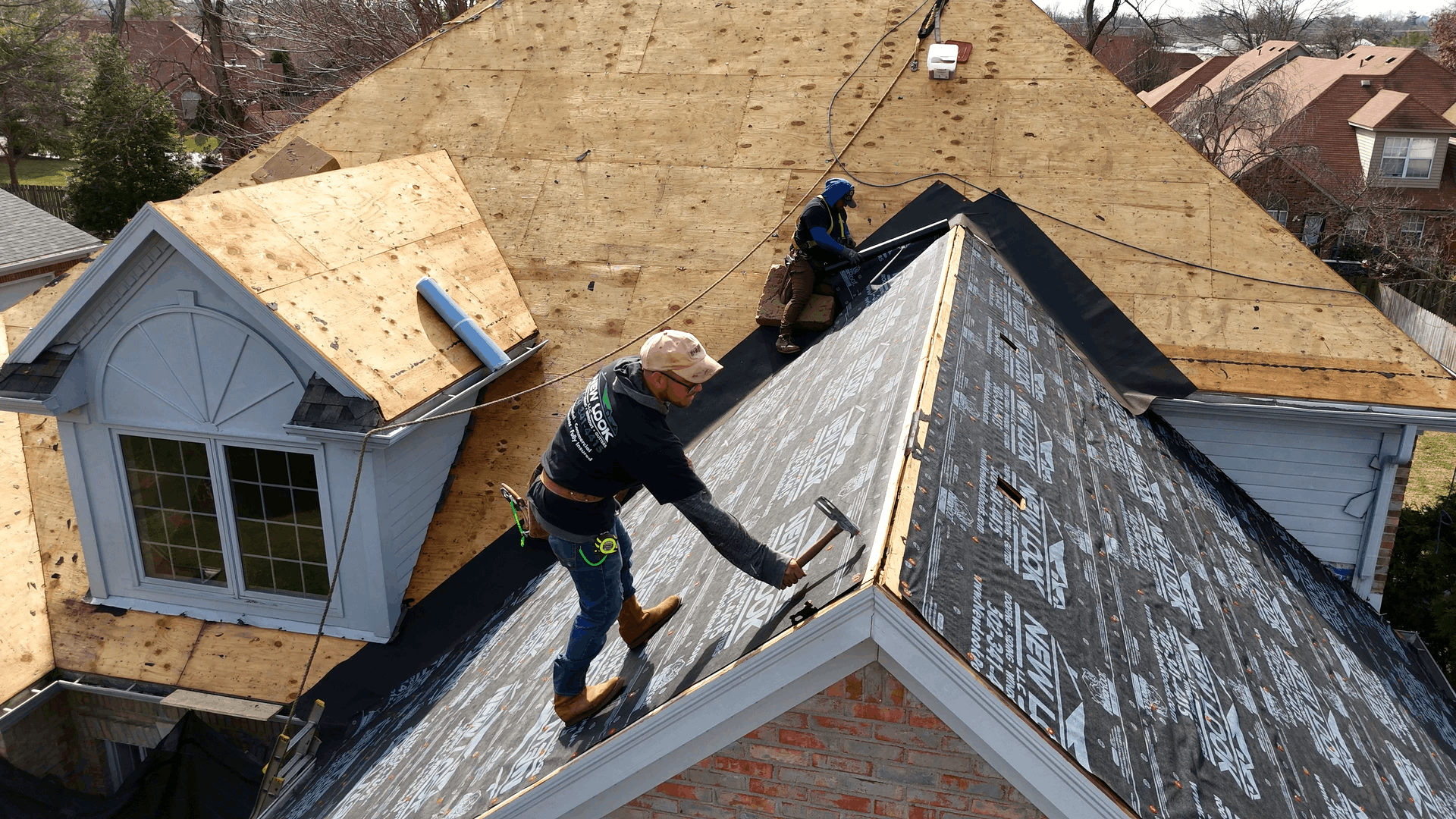
TThe most useful thing you can do after a leak, especially if it's not your first, is get a full inspection before agreeing to any repair work.
A proper inspection tells you the condition of your shingles, underlayment, flashing, and decking. It shows you whether you're dealing with an isolated issue or a system that's in overall decline. It also gives you numbers to compare: the cost of the repair you're being quoted versus the cost of a replacement that won't need to be repeated.
At New Look Roof, we offer free estimates for Louisville homeowners. We'll give you a straight answer about whether a repair makes sense for your roof, or whether a roof replacement is the smarter investment at this point. No pressure, no upsell. Just an honest look at what your roof needs.
Book a free estimate today and find out where you actually stand.
Frequently Asked Questions
How do I know if my roof leak needs a repair or a full replacement? The key factors are age, frequency, and scope. If your roof is under 10 years old and the damage is isolated, a repair usually makes sense. If it's 15 years or older, you've had multiple leaks, or you're seeing interior water staining, a full replacement is often the more cost-effective choice long-term. A professional inspection will give you the clearest picture.
How much does a roof repair cost compared to a full replacement in Louisville? Roof repairs in Louisville typically range from $600 to $2,500 depending on the damage. A full replacement on a standard Louisville home generally runs between $9,000 and $14,000. If you've had two or more repairs in the past few years, it's worth getting a replacement quote to compare your total projected costs.
Can a patched roof still pass a home inspection? A patched roof can pass inspection if the repair was done properly and the rest of the roof is in acceptable condition. However, an inspector will flag signs of age, recurring leaks, or widespread shingle deterioration. If you're planning to sell, a roof in poor overall condition can become a negotiating issue regardless of recent repairs.
Does homeowners insurance cover roof leak repairs? Most homeowners insurance policies cover sudden storm damage: hail, wind, falling trees. They typically do not cover leaks caused by age, wear and tear, or deferred maintenance. If your leak followed a storm, contact your insurance provider before scheduling any work. New Look Roof can help document damage for the claims process.
How long does a repaired roof last before it leaks again? That depends on the quality of the repair and the overall condition of the roof. A well-executed repair on a relatively young roof can last many years. On an aging roof, a patch may hold for one season or one storm. If you're on your second or third repair, that's a pattern worth paying attention to.