5 Signs Your Louisville Home Needs a New Siding Installation
Most Louisville homeowners don't think about their siding until something goes obviously wrong. But by the time siding looks truly bad from the driveway, the damage underneath is usually much further along than what you can see.
According to home siding data from Fixr, 39% of homeowners who schedule a siding installation do so because their existing siding is damaged, making necessity the most common reason ahead of aesthetics or energy efficiency. That means most siding installations aren't planned upgrades. They're responses to problems that have been developing quietly for years.
Knowing what to look for gives you the chance to act before those problems get expensive. Here are five signs your Louisville home is telling you it needs a new siding installation.
Sign 1: Your Panels Are Warping, Buckling, or Pulling Away
Siding panels are designed to lie flat and stay sealed. When you start noticing panels that are bowing outward, pulling away at the edges, or buckling in the middle, that's a structural failure, not a cosmetic one.
Warping happens when moisture gets behind the siding and works at the material from the inside. Once panels lose their shape, they also lose their seal. Water then has a clear path into your wall cavity. Left alone, that moisture leads to wood rot, mold, and insulation damage that costs far more to fix than a siding installation would have.
If you see warping on one section, check the surrounding panels carefully. It rarely stays isolated.
Sign 2: Your Paint or Finish Is Failing Faster Than It Should
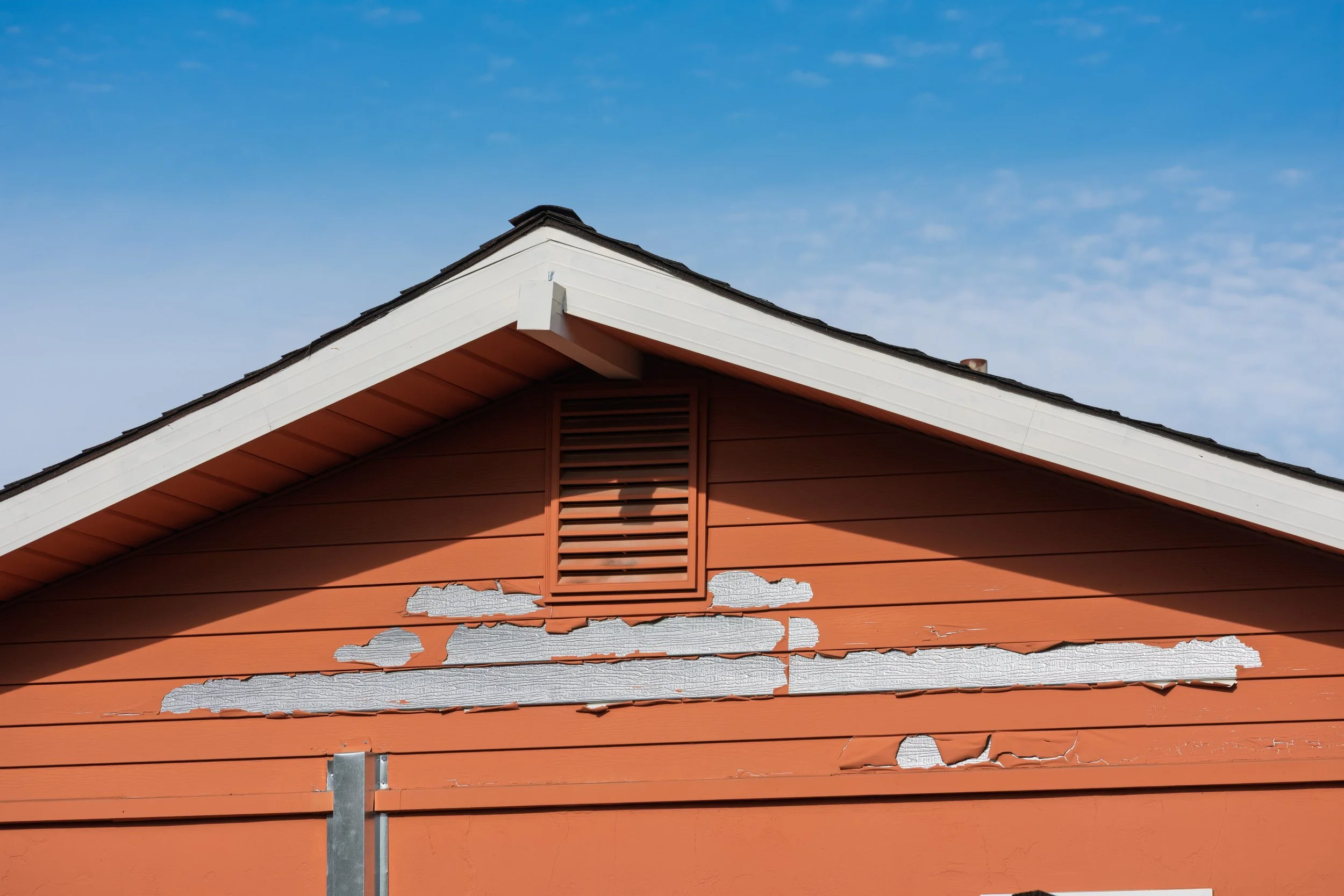
Healthy siding holds its color. If you're repainting every few years, or if you're seeing fading, peeling, or chalking that keeps coming back regardless of how recently the surface was painted, the siding underneath is the problem.
Paint failure is one of the most overlooked signs that a siding installation is overdue. When the substrate is compromised, no amount of fresh paint will hold. You're spending money on a cosmetic fix while the underlying material continues to break down.
This is especially common in Louisville where summer UV exposure and high humidity put sustained stress on exterior surfaces year after year.
Sign 3: You're Finding Moisture, Mold, or Soft Spots Inside Your Walls
This one requires a bit more investigation, but it's the most important sign on this list. If you notice soft drywall near exterior walls, a musty smell in rooms that back up to an exterior surface, or visible mold near baseboards or window frames, your siding may have already failed as a moisture barrier.
Water doesn't travel in a straight line. By the time you see evidence of it inside your home, it has typically been working through your wall system for months. Checking your attic and any accessible wall cavities after a heavy Louisville rainstorm can reveal problems your siding is hiding from the outside.
Don't assume interior moisture is always a plumbing issue. If it's near an exterior wall, start by looking at your siding.
Sign 4: Your Energy Bills Have Crept Up Without Explanation
Siding does more than protect your home from weather. It also plays a role in your home's overall thermal envelope. When siding ages, gaps open at seams and joints, panels pull away from trim, and the insulation behind it degrades. The result is a home that loses conditioned air faster than it should.
If your heating and cooling bills have been climbing and you can't point to a clear reason, your siding is worth investigating. Louisville's temperature swings, from hot humid summers to cold winters with freeze-thaw cycles, accelerate this kind of wear faster than in more moderate climates.
A new siding installation, particularly with fiber cement like James Hardie, can meaningfully improve your home's energy performance while solving the underlying protection problem at the same time.
Sign 5: Your Siding Is More Than 20 Years Old
Age alone isn't always a reason to schedule a siding installation, but it is a reason to take a much closer look. Vinyl siding has a typical lifespan of 20 to 40 years. Older vinyl, particularly the thinner grades common in homes built in the 1990s and early 2000s, often sits at the lower end of that range after years of Louisville's storm seasons.
If your siding is approaching or past the 20-year mark, the question isn't whether problems will develop. It's whether they already have. Many of the issues that point to a full siding installation, including moisture infiltration, insulation breakdown, and panel separation, are invisible until they're advanced.
A professional inspection at this stage gives you a clear picture of where your siding actually stands and whether you're looking at years of useful life remaining or a replacement that should happen soon.
What Louisville's Climate Does to Siding Over Time
Louisville sees real weather extremes. Spring hail and windstorms crack and dent panels. Summer heat and UV exposure break down surface finishes. Winter freeze-thaw cycles work at seams and caulking year after year. High humidity accelerates mold growth on north-facing and shaded surfaces.
No siding material is immune to this, but some hold up significantly better than others. Fiber cement like James Hardie is engineered specifically for climates like Louisville's. It resists moisture, won't warp in heat, and holds paint longer than vinyl. As Louisville's James Hardie preferred installer, New Look Roof has seen firsthand how much the right material matters in Kentucky's climate.
If your current siding isn't standing up well to Louisville weather, that's worth factoring into your siding installation decision.
Not Sure What You're Looking At?
The five signs above give you a starting point, but siding problems aren't always visible from the ground. Some of the most serious damage, including moisture behind panels, deteriorating housewrap, and early rot in wall framing, can only be identified by someone who knows what to look for up close.
At New Look Roof, we offer free estimates for Louisville homeowners. If you're seeing any of these signs, or if your siding is simply getting older and you want to know where things stand, our team will give you an honest assessment with no pressure and no obligation.
Book a free estimate today and find out exactly what your home needs.
Frequently Asked Questions
What are the most common signs you need a new siding installation? The most common signs are warping or buckling panels, paint that keeps failing, moisture or mold inside walls near exterior surfaces, rising energy bills without a clear cause, and siding that is 20 or more years old. Any one of these is worth investigating. Multiple signs together usually mean a full siding installation is the right move.
How long does siding last in Louisville, Kentucky? Vinyl siding typically lasts 20 to 40 years, though thinner grades from the 1990s and early 2000s often perform closer to the lower end of that range in Louisville's climate. Fiber cement siding like James Hardie lasts 30 to 50 years and holds up better against Louisville's humidity, hail, and temperature swings.
Can I repair siding instead of scheduling a full siding installation? In some cases, yes. If damage is isolated to a small section and the rest of the siding is structurally sound, targeted repairs can extend its life. But if you're seeing widespread warping, recurring moisture problems, or paint failure across multiple surfaces, repairs tend to be a short-term fix on a system that's already failing.
Does a new siding installation add value to a Louisville home? Yes. According to Fixr's siding data, homeowners who replace siding with fiber cement recoup an average of 88.4% of the project cost at resale, making it one of the strongest ROI exterior improvements available. Vinyl siding replacement returns around 80% on average.
How do I know if my siding damage is covered by homeowners insurance? Sudden storm damage such as hail, wind, or falling debris is typically covered. Gradual deterioration from age and wear is not. If your siding was damaged in a recent Louisville storm, contact your insurance provider before scheduling any work. New Look Roof can help document storm damage for the claims process.