
Winter Damage to Windows and Siding: What to Check

Winter has a way of exposing issues homeowners may not notice the rest of the year. Drafty rooms, rising energy bills, condensation on windows, or siding that suddenly looks worse than it did in the fall often become more noticeable after months of cold temperatures and fluctuating weather.
While roofing problems tend to get the most attention after winter, windows and siding play an equally important role in how your home handles temperature, moisture, and airflow. These systems work together, and when one is underperforming, the effects are often felt throughout the home. Winter reveals where those weaknesses are. Spring is when homeowners can decide what to do about them.
How Winter Stress Impacts Exterior Systems
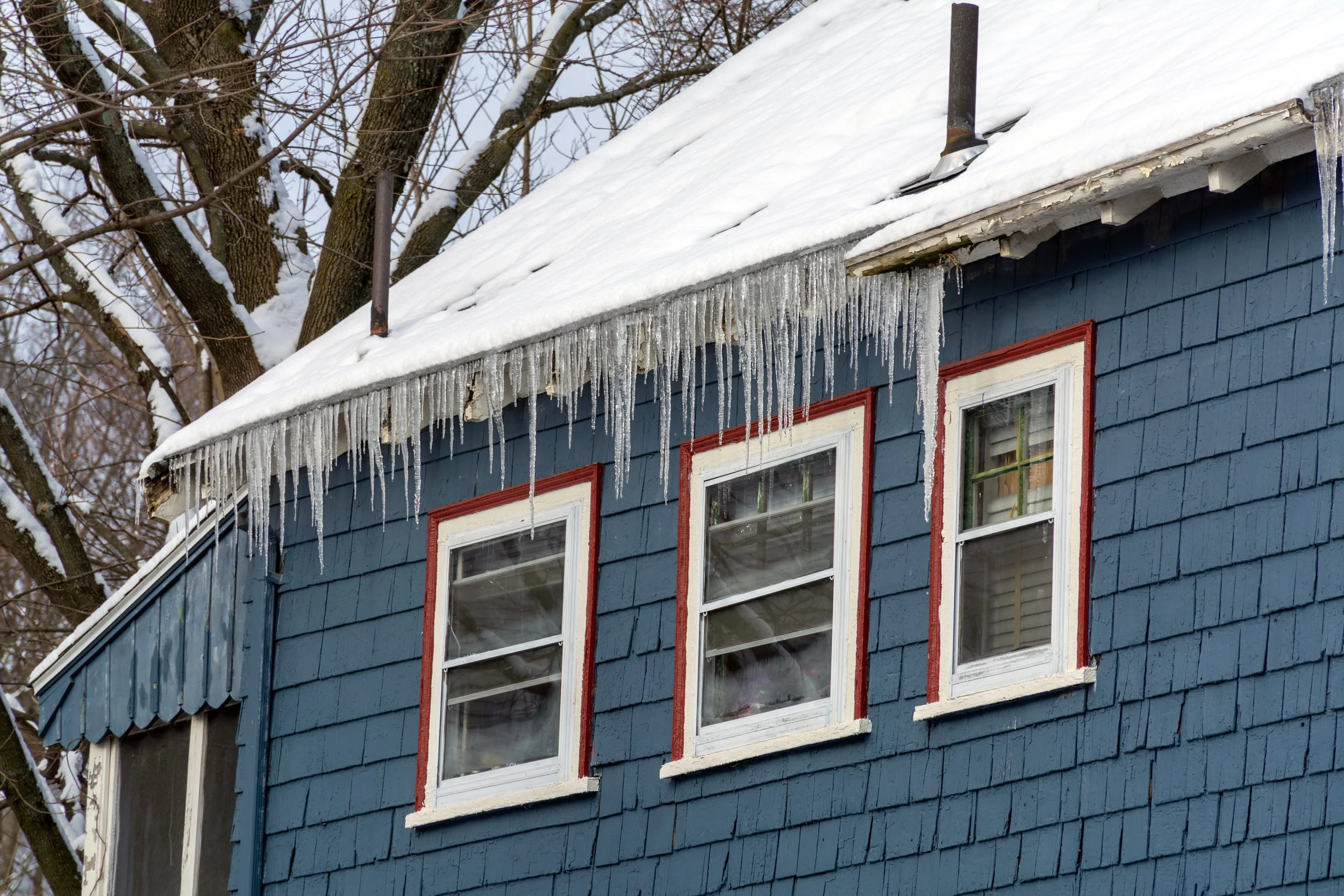
Cold weather places consistent stress on your home’s exterior. Windows expand and contract as temperatures shift, seals are tested, and frames can move slightly over time. Siding faces similar challenges, especially in areas where moisture collects or where materials have already begun to age.
Many of these changes happen gradually and out of sight. By the time winter ends, the materials themselves tell the story through subtle shifts, gaps, or wear patterns that were not visible months earlier.
Drafts are more than a comfort issue. When certain rooms consistently feel colder, it often means air is escaping or entering where it should not. This can point to worn window seals, outdated frames, or installation issues that become more noticeable when indoor and outdoor temperatures differ sharply.
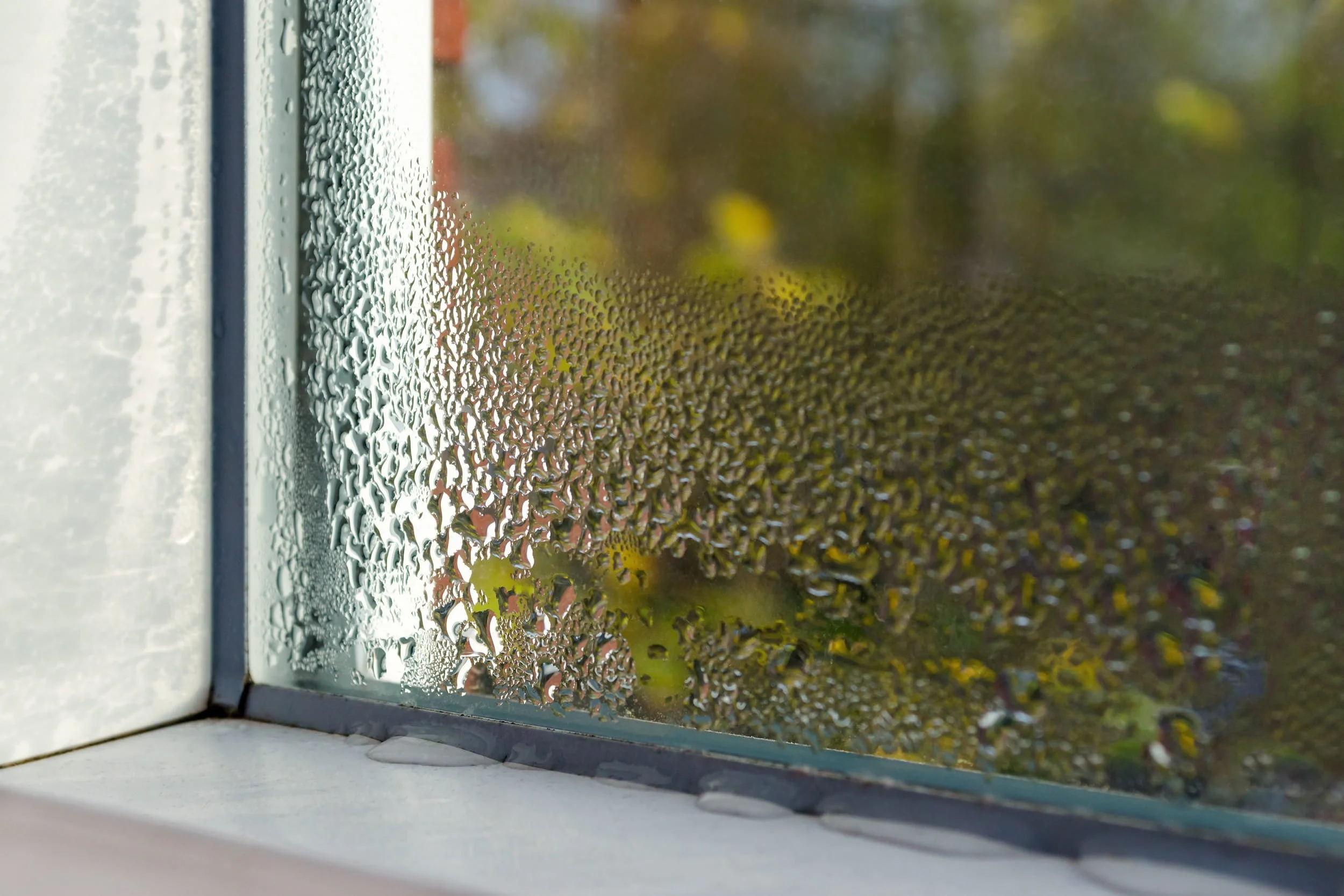
Condensation provides another important clue. Moisture forming on the interior of windows often signals insulation or seal failure. Left unaddressed, that moisture can affect trim, drywall, and framing over time. These signs help pinpoint where efficiency is being lost and where performance is breaking down.
Siding Issues That Become Clear After Winter
Siding damage often develops slowly and is easy to miss during colder months. Once snow melts and temperatures stabilize, cracks, gaps, or panels that appear slightly out of alignment are easier to spot.
Even small siding issues can create pathways for moisture to reach areas behind the exterior surface. Over time, that exposure can compromise insulation and sheathing, making what started as a cosmetic concern a structural one. Recognizing these patterns early helps prevent repeat repairs later.
Why Acting in Spring Matters More Than Waiting
Spring offers more than convenience. It provides a window to act before small issues become more expensive ones. Problems identified now are easier to isolate, easier to schedule, and less likely to escalate during storm season.
Waiting can limit options. As demand increases heading into summer, scheduling becomes tighter and minor inefficiencies can compound under heat and humidity. Addressing window and siding concerns early allows homeowners to plan improvements thoughtfully rather than react under pressure.
Spring also makes it easier to coordinate exterior work. When windows, siding, roofing, or gutters are evaluated together, solutions tend to be more efficient and longer lasting.
How Windows and Siding Work Together
Windows and siding do not function independently. They meet at critical transition points where airflow and moisture control matter most. When one area is compromised, it often places added stress on the other.
For example, failing window seals can expose surrounding siding and trim to moisture, while damaged siding can affect how window frames handle expansion and contraction. Looking at both together provides a more accurate picture of overall exterior performance and helps avoid piecemeal fixes.
Planning Exterior Improvements With Clarity
Not every winter-related issue requires replacement. Some situations call for targeted repairs, while others benefit from upgrades that improve efficiency and comfort. The key is understanding what your home actually needs, not guessing based on symptoms alone.
A professional assessment helps identify where problems are occurring, how serious they are, and what solutions make sense now versus later. Clear explanations allow homeowners to prioritize work confidently and avoid unnecessary projects.
Spring is a planning season as much as it is a repair season. Addressing concerns now helps your home perform better throughout the year.
Moving Forward After Winter
Winter leaves behind useful information. Drafts, condensation, and visible wear are signals that your exterior systems deserve attention. Spring is the opportunity to respond before those signals turn into disruptions.
Homeowners who work with New Look Roof value clear communication, practical guidance, and exterior solutions built to last. Whether the next step involves repairs or larger improvements, the focus remains on doing the work correctly and helping homeowners move forward with confidence.
If winter revealed concerns with your windows or siding, now is the time to address them. New Look Roof is Your Trusted Partner In Quality Builds, and we are ready to help you prepare your home for the seasons ahead.
