
Preparing Your Roof for Extreme Weather Conditions
A Stormy Year Calls for a Strong Roof
It’s already been a wild year when it comes to the weather. From unexpected storms to high winds and heavy rains, homeowners everywhere are being reminded just how important a strong, well-maintained roof is. Extreme weather conditions can strike at any time, and if your roof isn’t prepared, you could be facing costly repairs or even structural damage to your home.
The good news? There are proactive steps you can take to protect your roof and ensure it stands up against whatever Mother Nature throws your way. In this blog, we’ll cover everything you need to know about preparing your roof for extreme weather conditions, from routine maintenance to reinforcement strategies.
Regular Roof Inspections: Your First Line of Defense
One of the best ways to prepare your roof for extreme weather is by keeping up with regular inspections. A well-maintained roof is far less likely to suffer severe damage during a storm.
How Often Should You Inspect Your Roof?
At least twice a year – Ideally, you should inspect your roof in the spring and fall to catch any issues before the extreme heat of summer or the wet season arrives.
After major storms – If your area experiences strong winds, hail, or heavy rain, it’s a good idea to check for damage as soon as it’s safe to do so.
What to Look For?
Missing, cracked, or curled shingles
Signs of leaks inside your attic or ceilings
Loose or damaged flashing around chimneys, vents, and skylights
Sagging or weak spots in the roof structure
If you notice any of these issues, addressing them before the next storm can save you from more significant (and expensive) problems down the road.
Keep Your Gutters and Downspouts Clear
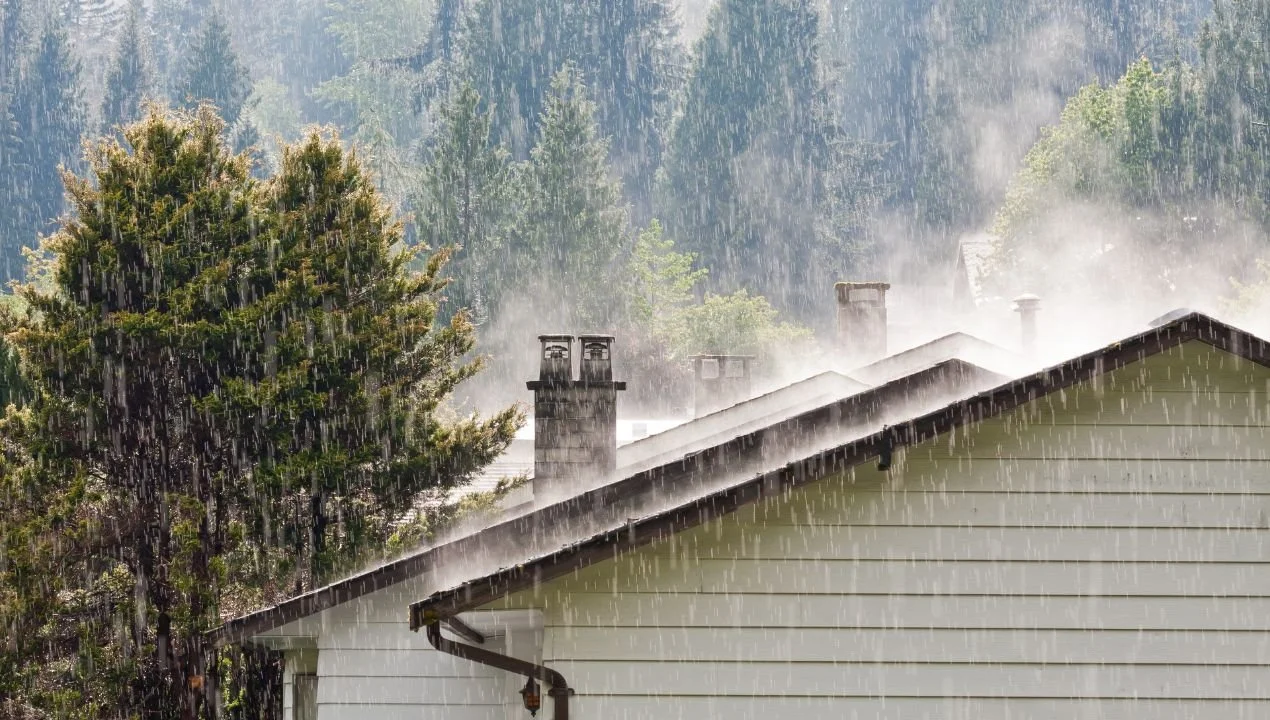
Your gutters and downspouts play a crucial role in directing water away from your roof and foundation. When they become clogged with leaves, debris, or dirt, water can pool on your roof, leading to leaks and potential structural damage.
Tips for Keeping Gutters in Top Shape
Clean them regularly – At least twice a year, remove leaves and debris to ensure proper drainage.
Check for clogs – Run water through your downspouts to make sure they’re clear and functioning correctly.
Secure loose gutters – If you notice sagging or detachment, reattach them before heavy rain can cause further damage.
If your gutter system is old or ineffective, it may be time for an upgrade. A properly installed gutter system, like the ones we offer at New Look Roofing, can make all the difference in protecting your home.
Trim Trees and Overhanging Branches
Overhanging branches may seem harmless, but in a severe storm, they can become major hazards. Strong winds can break limbs, sending them crashing onto your roof, damaging shingles, or even puncturing the structure.
How to Protect Your Roof
Trim back branches that extend over your roof.
Remove dead or weak limbs before storm season.
Consider hiring a professional tree service for larger trees near your home.
Reinforce Roofing Materials for Added Protection
If you live in an area prone to extreme weather, reinforcing your roofing materials can add an extra layer of protection.
Ways to Strengthen Your Roof
Install impact-resistant shingles – These are designed to withstand hail and debris from high winds.
Upgrade to metal flashing – Metal flashing around chimneys and vents is more durable than standard materials.
Use hurricane straps – These secure the roof to your home’s structure, reducing the risk of uplift during high winds.
Ensure Proper Attic Ventilation and Insulation
Your attic plays a bigger role in protecting your roof than you might think. Proper ventilation and insulation help regulate temperatures and prevent moisture buildup, which can weaken your roofing materials over time.
Signs of Poor Attic Ventilation
Excessive heat in your attic during the summer
Mold or mildew growth
Ice dams forming in winter (if applicable in your area)
A well-ventilated attic can help extend the life of your roof and make it more resilient against extreme weather conditions.
Secure Loose Items Around Your Property
One often-overlooked aspect of storm preparedness is securing outdoor furniture, grills, and other items that could become airborne in strong winds. Loose objects can slam into your roof, causing significant damage.
What to Secure Before a Storm
Patio furniture
Lawn decorations
Trash cans and recycling bins
Garden tools and equipment
Taking the time to store or secure these items can prevent unnecessary damage to your home and roof.
Upgrade to Impact-Resistant Roofing Materials
If your roof is aging or has sustained damage from past storms, upgrading to impact-resistant materials could be a smart long-term investment.
Benefits of Impact-Resistant Roofing
Can withstand hail, heavy rain, and strong winds
Longer lifespan compared to standard roofing materials
Potential discounts on homeowner’s insurance
New Look Roofing offers a variety of high-quality roofing materials that can enhance the durability of your home.
Have an Emergency Preparedness Plan
Even with the best preparations, extreme weather can still cause damage. Having an emergency plan in place ensures that you can respond quickly if disaster strikes.
Key Steps in Your Plan
Know your emergency contacts – Have the number of a trusted roofing company (like New Look Roofing) on hand.
Document your roof’s condition – Take photos of your roof before storm season so you have proof of its pre-storm condition.
Have a plan for temporary fixes – Keep materials like tarps, plywood, and roofing nails in case you need to make emergency repairs.
Final Thoughts
Protecting your home starts with a strong and well-maintained roof. With extreme weather becoming more unpredictable, now is the time to take action. By following these steps—inspecting your roof, maintaining gutters, trimming trees, and upgrading materials—you can help safeguard your home from costly damage.
If you’re considering upgrading your roof or need an inspection, New Look Roofing is here to help. Contact us today to learn more about our roofing services and how we can strengthen your home against the elements.