
Why A Late-winter Roof Inspection Is A Smart Move

As winter winds down and storm season approaches, many homeowners start wondering how their roof held up through months of cold, wind, and fluctuating temperatures. Even when no obvious problems are visible from the ground, winter weather can quietly stress roofing materials in ways that are easy to miss.
A pre-spring roof inspection helps bring clarity before storm season begins. Rather than waiting for visible damage to force action, inspections allow homeowners to understand their roof’s condition while decisions are still flexible.
How Winter Impacts a Roof Over Time
Winter weather does not usually cause one dramatic failure. Instead, it creates gradual stress. Freeze-thaw cycles can loosen shingles and flashing. Ice and wind can weaken seals around vents and valleys. These changes often happen slowly and without clear warning signs.
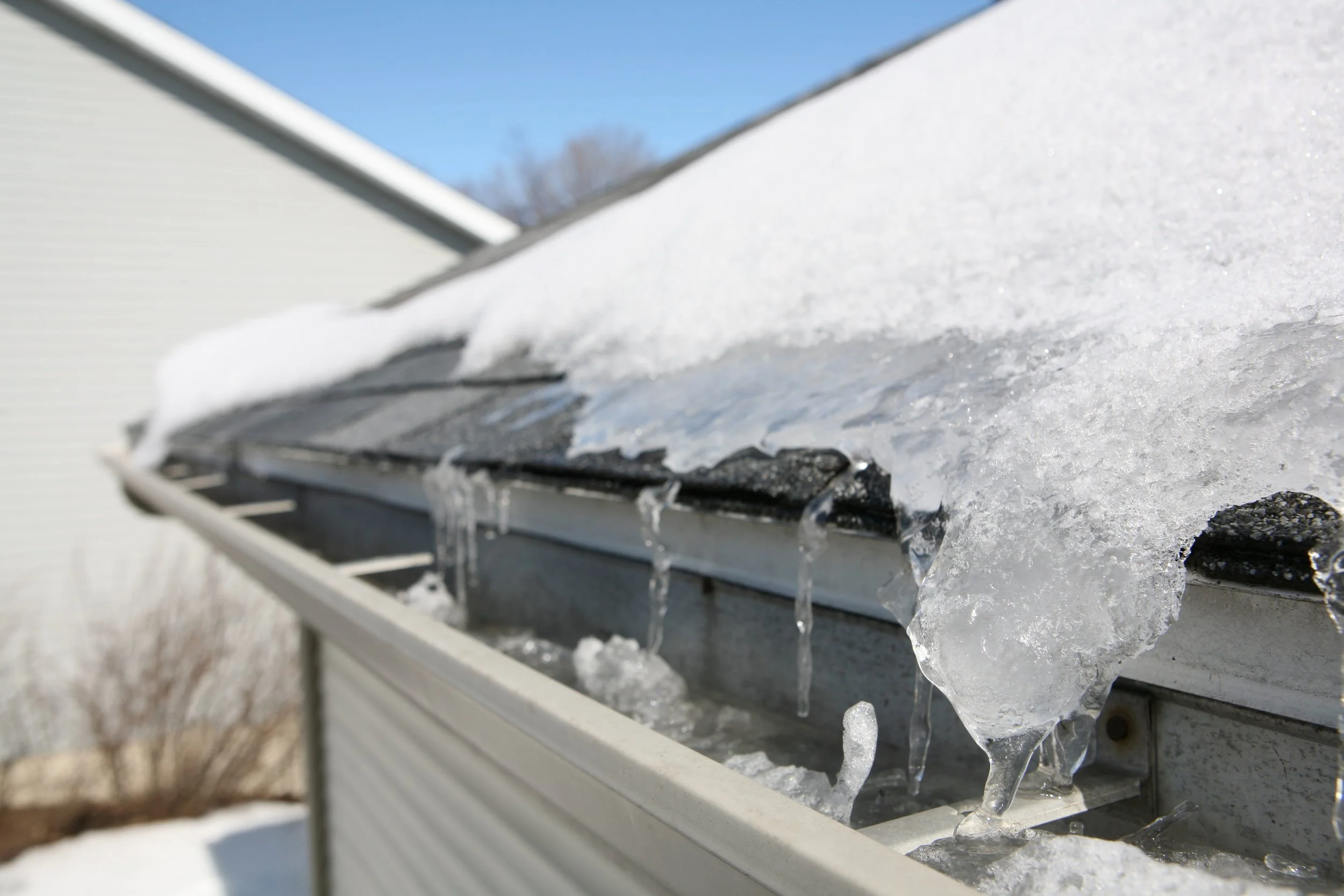
Because snow and cold limit visibility, many of these issues remain hidden until temperatures rise. By the time spring rain arrives, vulnerabilities that formed earlier in the season may already be in place.
Many homeowners first think about their roof when something goes wrong. A small leak, a missing shingle, or water stains inside the home are often the first visible signs of a much longer process.
By that point, moisture may have already affected insulation, decking, or interior materials. What could have been addressed as a minor repair may now require more extensive work. This is why timing matters, even when a roof appears fine from the outside.
What a Professional Inspection Actually Evaluates
A proper roof inspection goes beyond a surface check. Roofing professionals examine shingles, flashing, valleys, vents, and transition points where stress and movement are most likely to occur.
Inspectors also look for wear patterns that indicate how the roof is aging, as well as signs of moisture or structural movement. In some cases, attic areas are reviewed to understand ventilation and insulation conditions that affect roof performance.
The goal is not to find problems for the sake of finding them. It is to understand how the roof is functioning as a system.
How Inspections Change the Way Homeowners Plan
One of the biggest benefits of a pre-spring inspection is perspective. Instead of guessing, homeowners gain a clearer understanding of where their roof stands.
For some, that confirmation brings peace of mind and no immediate action. For others, it identifies small repairs that can be handled proactively. When a roof is nearing the end of its lifespan, inspections allow homeowners to plan replacements intentionally rather than under pressure.
This shift from reaction to planning often leads to better decisions and fewer surprises.
Why Late Winter Timing matters
Late winter and early spring create a short window where winter wear is visible, but spring storms have not yet added new stress to your roof. During this time, weather conditions are more stable and scheduling is typically more flexible. Once storm season ramps up, even small issues can escalate quickly and availability becomes tighter.
Once heavy rain and high winds return, small issues can escalate quickly and availability becomes tighter. Addressing concerns earlier keeps homeowners in control rather than responding to urgency created by weather.
Moving Forward With Confidence
Winter places steady demands on every roof, whether damage is visible or not. A pre-spring inspection helps homeowners understand how their roof handled those demands and what comes next.
Homeowners who work with New Look Roof value careful inspections, clear explanations, and guidance that prioritizes long-term performance. The goal is not to rush decisions, but to make informed ones.
If you want clarity before spring storms arrive, scheduling a professional roof inspection is a smart place to start. New Look Roof is Your Trusted Partner In Quality Builds, and we are ready to help you move forward with confidence.
