How to Clean Siding: A Complete Guide for Homeowners
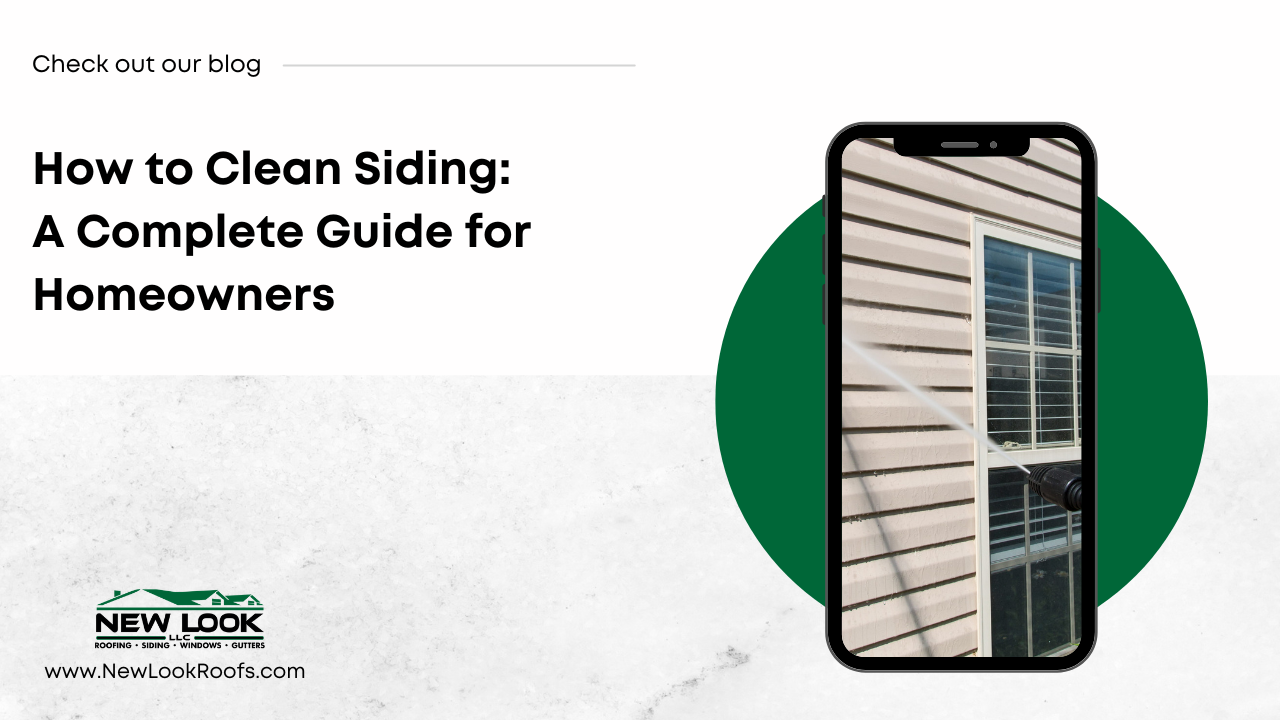
One of the biggest selling points of modern siding is how little it asks of you. Vinyl, fiber cement, and aluminum have replaced wood as the most common exterior materials for exactly this reason: they hold up to weather without constant painting, staining, or repair. According to NAHB's Eye on Housing, vinyl remains one of the most common siding materials used on new homes, largely because of how low-maintenance it is compared to older materials.
Low maintenance does not mean no maintenance, though. A little routine cleaning keeps siding looking sharp and helps it hold up for its full lifespan. Below, we will cover how often to clean siding, the right method for each material New Look Roof installs, how to handle mold and mildew, and a few mistakes that can actually cause damage instead of preventing it.
How Often Should You Clean Your Siding?
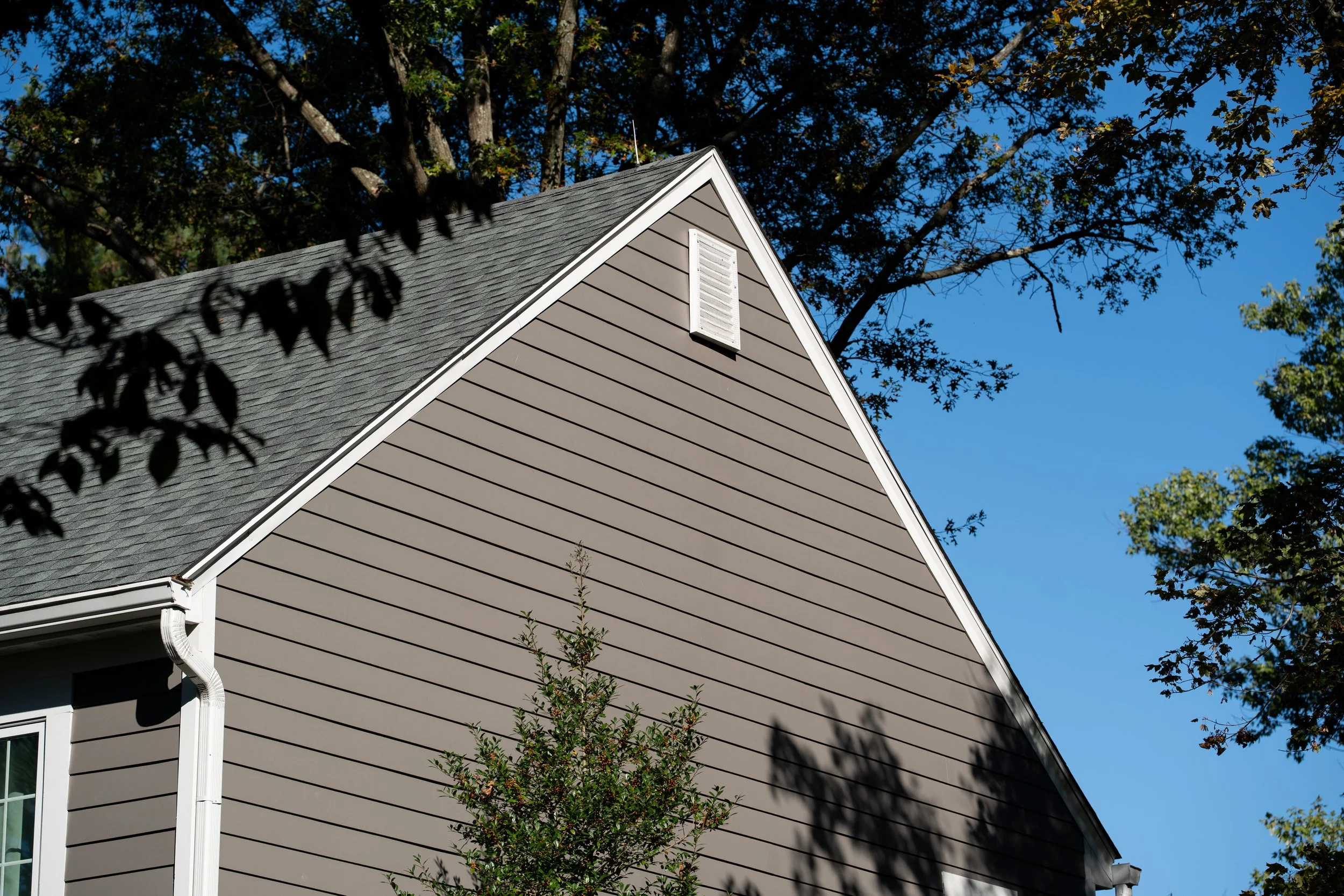
Most siding only needs a thorough cleaning once or twice a year. A single annual wash is usually enough for homes without much shade or tree cover, while homes in shadier, more humid spots may need a second cleaning to keep mildew from building up between washes. Spring and early fall tend to be the easiest times to do it, since temperatures are mild and there is less pollen or leaf debris actively falling.
How to Clean Vinyl Siding
Vinyl siding is the easiest of the three materials to maintain. A soft cloth or long-handled, soft-bristle brush, some mild dish soap, and a garden hose will handle most everyday dirt and pollen buildup. Work from the bottom of the wall upward with your cleaning solution, then rinse from the top down so dirty water does not dry into streaks lower on the wall.
Pressure washers can be used on vinyl, but only with caution. Hold the nozzle level with the siding rather than angled upward, since spraying at an angle can force water behind the panels and cause problems you cannot see from the outside. If you are not confident about pressure settings, hand washing is the safer route. The Old Farmer's Almanac's guide to vinyl siding maintenance recommends sticking with a soft-bristle brush over abrasive tools for exactly this reason.
How to Clean Fiber Cement Siding
Fiber cement holds up differently than vinyl since it is a much denser, cement-based material. It can generally be cleaned the same way, with a soft brush, mild soap, and a hose, and it tolerates pressure washing a bit better than vinyl because it does not have the same seams and panels that water can sneak behind.
The bigger difference with fiber cement is paint. Unlike vinyl, fiber cement siding is typically painted rather than colored all the way through, so the finish will eventually need repainting, usually somewhere in the 10 to 15 year range depending on climate and sun exposure. That is still a far longer cycle than wood siding, which often needs repainting every few years, but it is worth knowing going in so it does not come as a surprise down the road.
How to Clean Aluminum Siding
Aluminum siding cleans up similarly to vinyl: mild soap, a soft brush, and a hose rinse. The main thing to watch for is chalking, a powdery residue that can build up on aluminum siding as its factory finish ages. A degreasing dish soap usually cuts through it, though heavier chalking may call for a dedicated aluminum siding cleaner rather than household soap alone.
| Material | Best Cleaning Method | Pressure Washing | Watch For |
|---|---|---|---|
| Vinyl | Soft brush, mild dish soap, garden hose | Use with caution, nozzle level with wall | Water forced behind panels at wrong angle |
| Fiber Cement | Soft brush, mild soap, garden hose | Tolerates it better than vinyl | Paint wear, repainting every 10 to 15 years |
| Aluminum | Mild soap, soft brush, hose rinse | Generally safe at moderate settings | Chalking as the factory finish ages |
Removing Mold, Mildew, and Algae
Kentucky's humidity gives mold, mildew, and algae plenty of opportunity to take hold on siding, especially in shaded areas near trees or on the north side of a house. A mixture of water and white vinegar, mixed roughly three parts water to one part vinegar, handles most light mildew without the harsher effects of straight bleach. Let the solution sit on the affected area for several minutes before scrubbing gently and rinsing thoroughly.
For heavier buildup, a diluted bleach solution can work, but it should always be well diluted and rinsed completely, and kept away from nearby landscaping, since runoff can damage grass and plants.
What to Avoid When Cleaning Siding
A few habits cause more harm than the dirt they are meant to remove. Avoid undiluted bleach, ammonia-based cleaners, nail polish remover, or any solvent-based product, all of which can strip color or damage the surface of vinyl and aluminum siding. Skip abrasive tools like steel wool or stiff wire brushes, which can scratch the finish and leave the surface more likely to collect dirt going forward. And never mix bleach with ammonia-based products under any circumstances, since the combination produces dangerous fumes.
If you are pressure washing, keep the nozzle at eye level and aimed straight at the wall rather than upward, and test any new cleaning solution on a small, hidden section first to make sure it does not cause discoloration.
Why Low-Maintenance Siding Still Matters for Louisville Homes
Between Louisville's humid summers, occasional ice storms, and everything in between, siding takes on a lot over the course of a year. Materials like vinyl and fiber cement are built to handle that without demanding much from you in return, which is part of why New Look Roof installs them as standard options. If your current siding needs more than routine cleaning to keep up, whether that is repeated repainting, warping, or recurring mildew you cannot get ahead of, it may be a sign the material itself has reached the end of what regular maintenance can fix.
If your siding needs more than a routine cleaning, or if you're not sure whether it's time for a repair or a full replacement, get in touch with our team about what New Look Roof can do for your home.
Frequently Asked Questions
How often should siding be cleaned?
Most homes only need a thorough siding wash once or twice a year. Homes with more shade, tree cover, or humidity may need cleaning closer to twice a year to stay ahead of mildew growth.
Is it safe to pressure wash siding?
Pressure washing is generally safe for vinyl, fiber cement, and aluminum siding as long as the nozzle stays level with the wall rather than angled upward. Spraying at an angle can force water behind the panels, which can lead to problems that are not visible from the outside.
What is the best homemade siding cleaner?
A mixture of mild dish soap and water handles most everyday dirt. For mold or mildew, a solution of roughly three parts water to one part white vinegar is effective without the harshness of straight bleach.
Does fiber cement siding need to be repainted?
Yes, fiber cement siding is painted rather than colored all the way through, so it typically needs repainting every 10 to 15 years depending on climate and sun exposure. This is still far less frequent than wood siding requires.
Can cleaning products damage my siding?
Yes. Undiluted bleach, ammonia-based cleaners, nail polish remover, and solvent-based products can all strip color or damage the surface of vinyl and aluminum siding. Mild soap and water are usually enough for routine cleaning.