Everything Changes When You Replace Your Siding
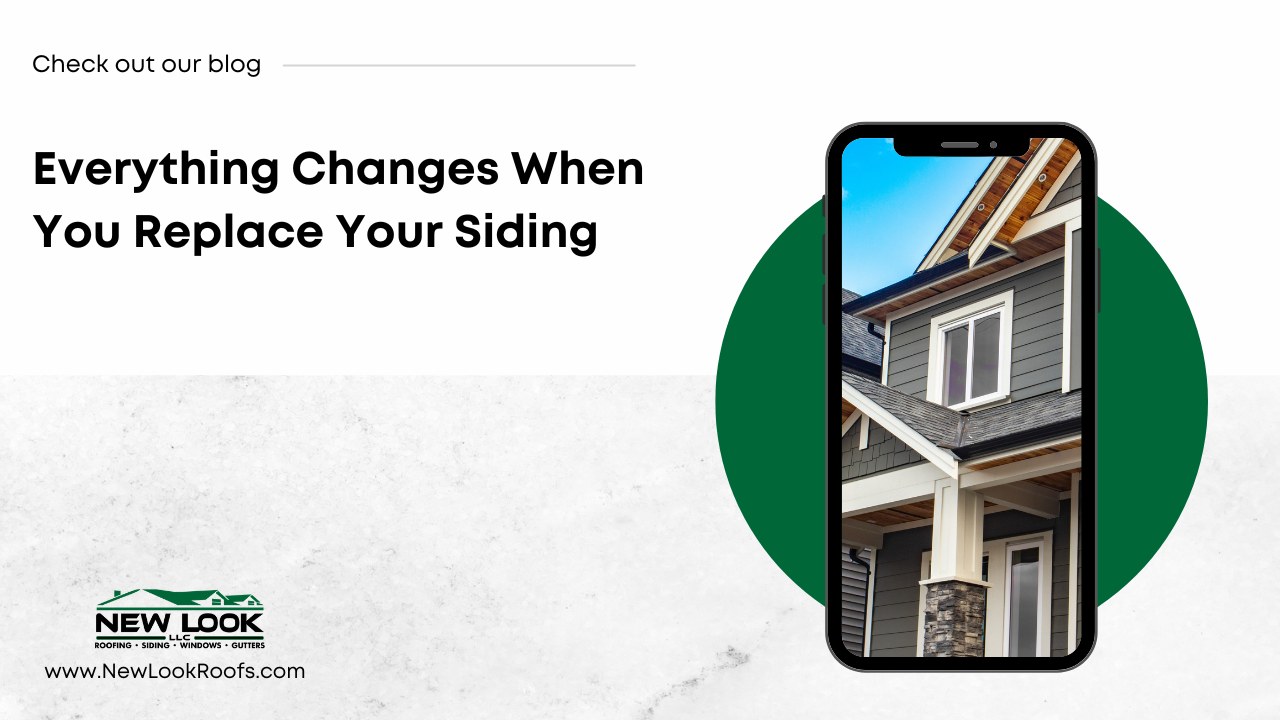
Most homeowners think about siding replacement the same way they think about a root canal. Something to put off as long as possible, get through as quickly as possible, and never think about again.
But here's what actually happens when you replace your siding: your home looks different, feels different, performs differently, and is worth more. It's one of the few home improvement projects where every category improves at once.
If you've been sitting on the decision, here's what you've been waiting on.
Your Home Looks Like a Different House
This one catches people off guard more than anything else. New siding doesn't just refresh your home's exterior. It resets it entirely.
Faded paint, warped panels, chalky surfaces, and mismatched patches are such a gradual change that most homeowners stop seeing them. It's only after new siding goes up that they realize how far things had slipped. The difference isn't subtle. Neighbors notice. Visitors notice. You notice every time you pull into the driveway.
Color and material choice matter more than most people expect. Fiber cement siding like James Hardie holds its color significantly longer than vinyl, resisting the fading and chalking that makes older siding look tired. And with the range of profiles and finishes available, a siding replacement isn't just a repair. It's a design decision.
If you've ever thought your home looked dated from the outside, this is the project that fixes it.
Your Home Sells Faster and for More Money
You don't have to be planning to sell to care about this. But if there's any chance you'll sell in the next five to ten years, new siding is one of the smartest investments you can make.
According to HomeLight's Top Agent Insights, nearly half of top real estate agents consider enhanced curb appeal one of the strongest selling points a home can have. Research consistently shows that homes with strong curb appeal sell for an average of 7% more than comparable homes with worn exteriors.
The ROI on siding replacement is also among the strongest of any home improvement project. Fixr's siding data shows fiber cement siding returning an average of 88.4% of project costs at resale. Vinyl siding returns around 80%. For a project that also improves how your home looks and functions every day you live in it, that's a compelling number.
Your Home Is Better Protected
Old siding doesn't just look bad. It stops doing its job.
Siding is your home's primary barrier against wind-driven rain, humidity, and temperature swings. When panels crack, warp, or pull away from the wall, moisture finds a way in. And once moisture is inside your wall cavity, you're looking at potential damage to insulation, framing, and interior surfaces that costs far more to fix than the siding itself.
New siding resets that protection from the outside in. James Hardie fiber cement is engineered to resist moisture, impact, and the kind of sustained weather exposure that breaks down vinyl over time. It won't warp in heat or crack in cold. As Louisville's James Hardie preferred installer, New Look Roof installs siding built specifically to hold up in climates like Kentucky's, where summer humidity and winter freeze-thaw cycles put real stress on exterior materials year after year.
When your siding is doing its job, everything behind it is safer.
Your Energy Bills Go Down
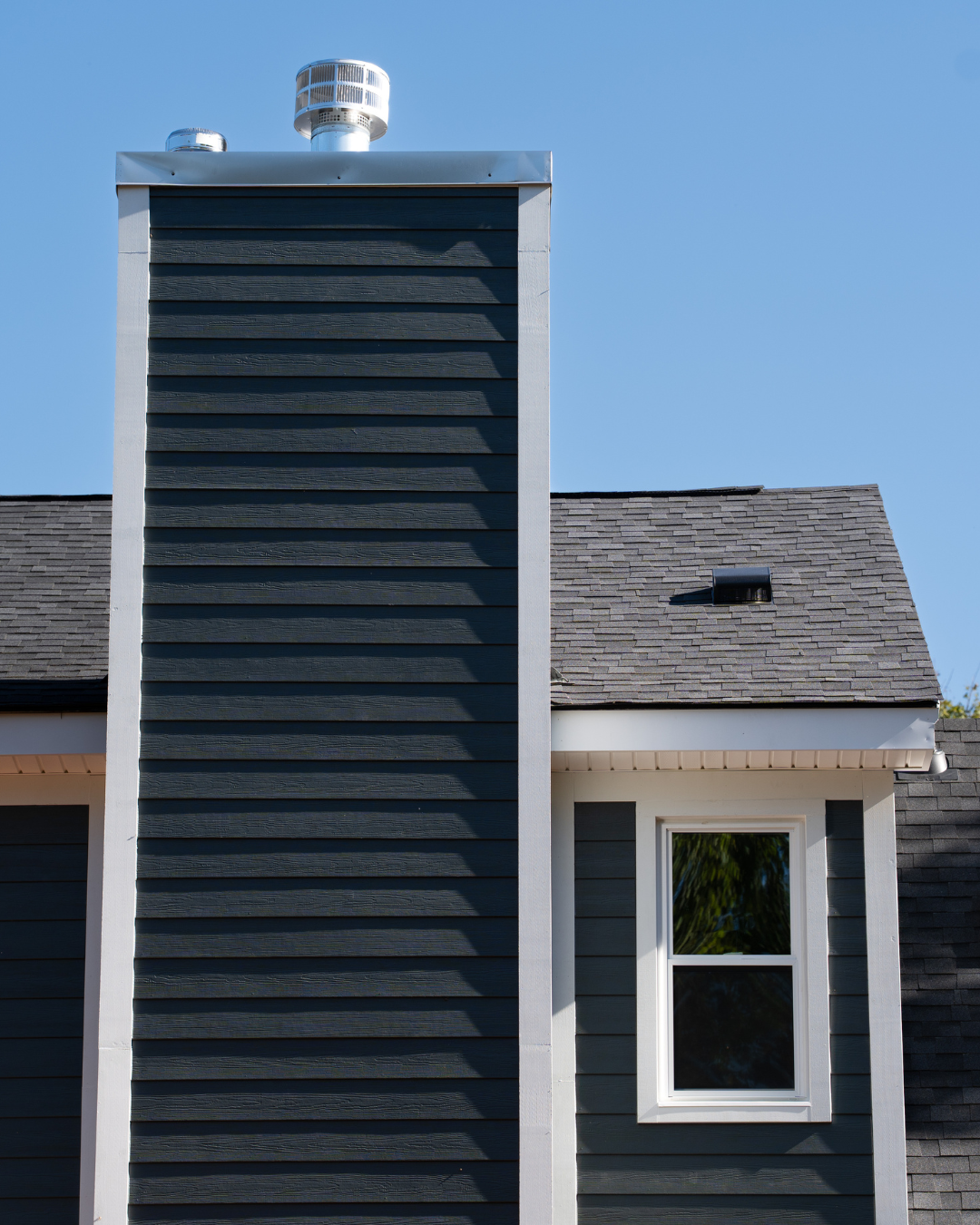
This one surprises people too. Siding plays a bigger role in your home's thermal performance than most homeowners realize.
Aged siding develops gaps at seams and joints. Panels pull away from trim. The housewrap underneath degrades. All of that adds up to conditioned air leaving your home faster than it should. Your HVAC system works harder to compensate, and your energy bills reflect it.
New siding, properly installed with fresh housewrap and sealed penetrations, closes those gaps. Insulated siding options add another layer of thermal performance on top of that. The improvement isn't dramatic for every home, but for older homes with aging siding, the change in comfort and efficiency is real.
You Stop Thinking About It
This might be the underrated one.
Old siding creates a low-grade background stress for homeowners. You notice the flaking paint. You see the warped panel every time you walk to the front door. You wonder what's happening behind the wall. You add it to the mental list of things you're going to deal with eventually.
New siding removes all of that. A quality siding replacement from a reputable installer comes with a manufacturer's warranty and a workmanship guarantee. James Hardie products carry a 30-year limited warranty. You're not just getting new siding. You're getting thirty years of not thinking about it.
That peace of mind is worth more than most people account for when they're running the numbers on a project like this.
What to Do Next
If your siding is showing its age, or if you've simply been putting this off, the best first step is a free inspection and estimate. At New Look Roof, we'll take an honest look at your current siding, walk you through your material options, and give you a clear picture of what a replacement would involve for your specific home.
Learn more about our siding replacement services or book directly below. Book a free estimate today and find out what your home could look like.
Frequently Asked Questions
How much does a siding replacement cost? The cost varies based on your home's size, the material you choose, and the condition of the substrate underneath. Vinyl siding is the most affordable option. Fiber cement like James Hardie sits in the mid-to-higher range but returns more at resale and holds up significantly longer. A free estimate from New Look Roof will give you a clear number for your specific home.
What is the best siding material for Louisville's climate? Fiber cement siding like James Hardie is the strongest performer in Louisville's climate. It resists the moisture and humidity of Kentucky summers, holds up through freeze-thaw cycles, and won't warp or crack the way vinyl can under sustained weather exposure. New Look Roof is Louisville's James Hardie preferred installer.
How long does a siding replacement take? Most residential siding replacements take two to five days depending on the size of your home and the material being installed. Fiber cement takes slightly longer to install than vinyl due to its weight and the precision required, but the durability difference more than justifies it.
Does new siding really add value to my home? Yes, consistently. According to Fixr's siding data, fiber cement siding returns an average of 88.4% of project costs at resale. Vinyl returns around 80%. Beyond resale value, curb appeal improvements help homes sell faster and for higher prices.
Can I replace just part of my siding? In some cases, yes. If damage is isolated and the rest of your siding is structurally sound and color-matched, a partial replacement can work. But mismatched siding is noticeable and can actually hurt curb appeal rather than help it. A full replacement gives you a cohesive result that performs and looks better long-term.