5 Essential Roof Features That Can’t Be Ignored
Most homeowners think of shingles when they picture a roof, but a roofing system includes much more. Beneath and around those shingles are key components that keep your home dry, ventilated, and protected year-round. Overlooking these smaller details can lead to leaks, ventilation problems, or even structural damage. In this blog, we’ll explore the most commonly forgotten roof elements, why they matter, and how regular inspections help every part of your roof perform its best.
Flashing: The First Defense Against Water Damage
Flashing might not grab your attention, but it’s one of the most vital parts of your roofing system. These thin pieces of metal are installed around chimneys, vents, skylights, and roof valleys to seal joints and prevent water from sneaking in where different surfaces meet.
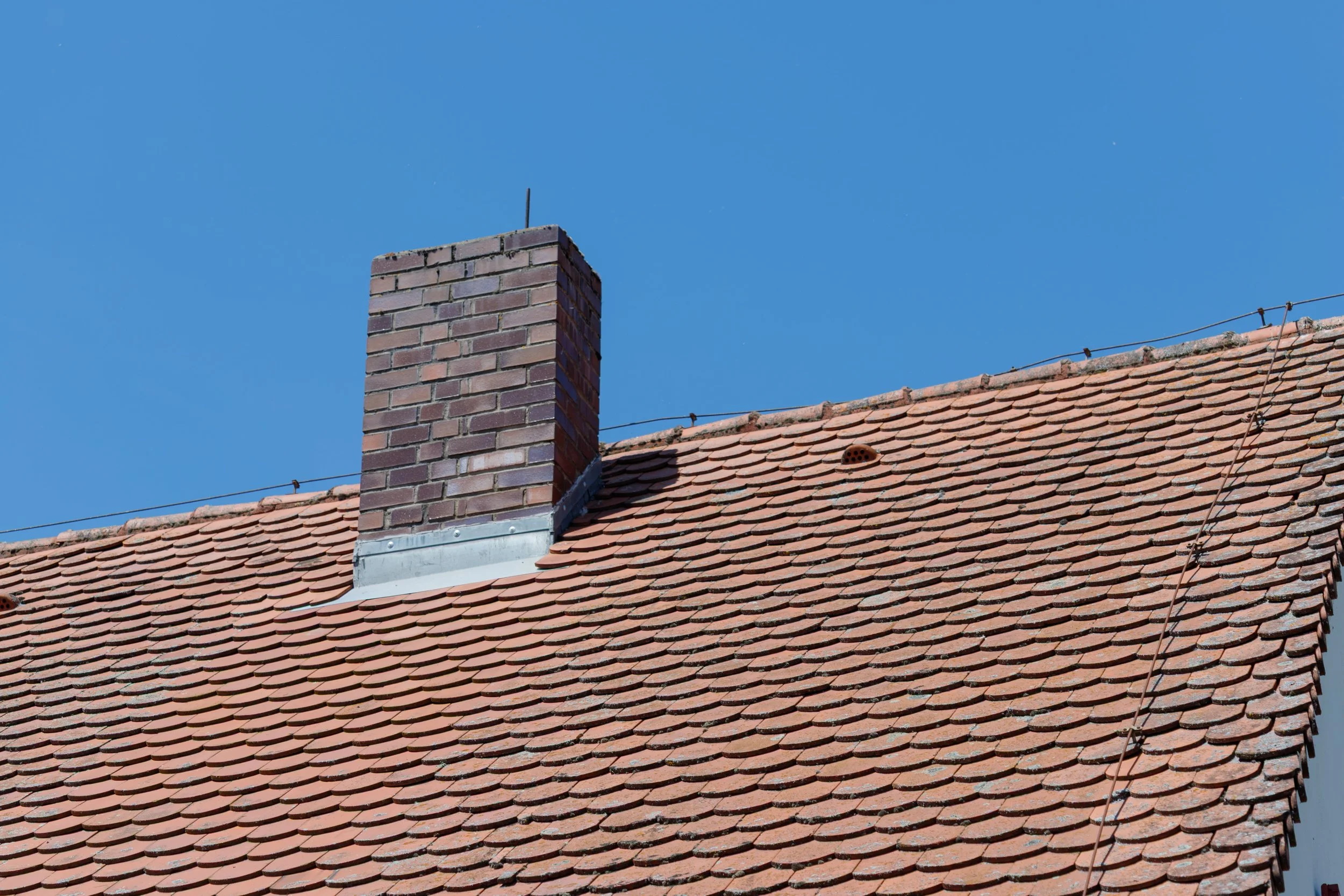
When flashing starts to lift, crack, or rust, it can allow rainwater to seep under your shingles and into your home. Because flashing issues often develop slowly, homeowners rarely notice a problem until water stains appear on ceilings or walls. At that point, the damage has already begun.
A professional roof inspection can spot early signs of flashing wear before it becomes a bigger issue. Catching small separations or corrosion early can save you from costly interior repairs later on. At New Look Roof, we always check flashing during our inspections to make sure this quiet hero is doing its job properly.
Soffits and Fascia: Small Details with Big Impact
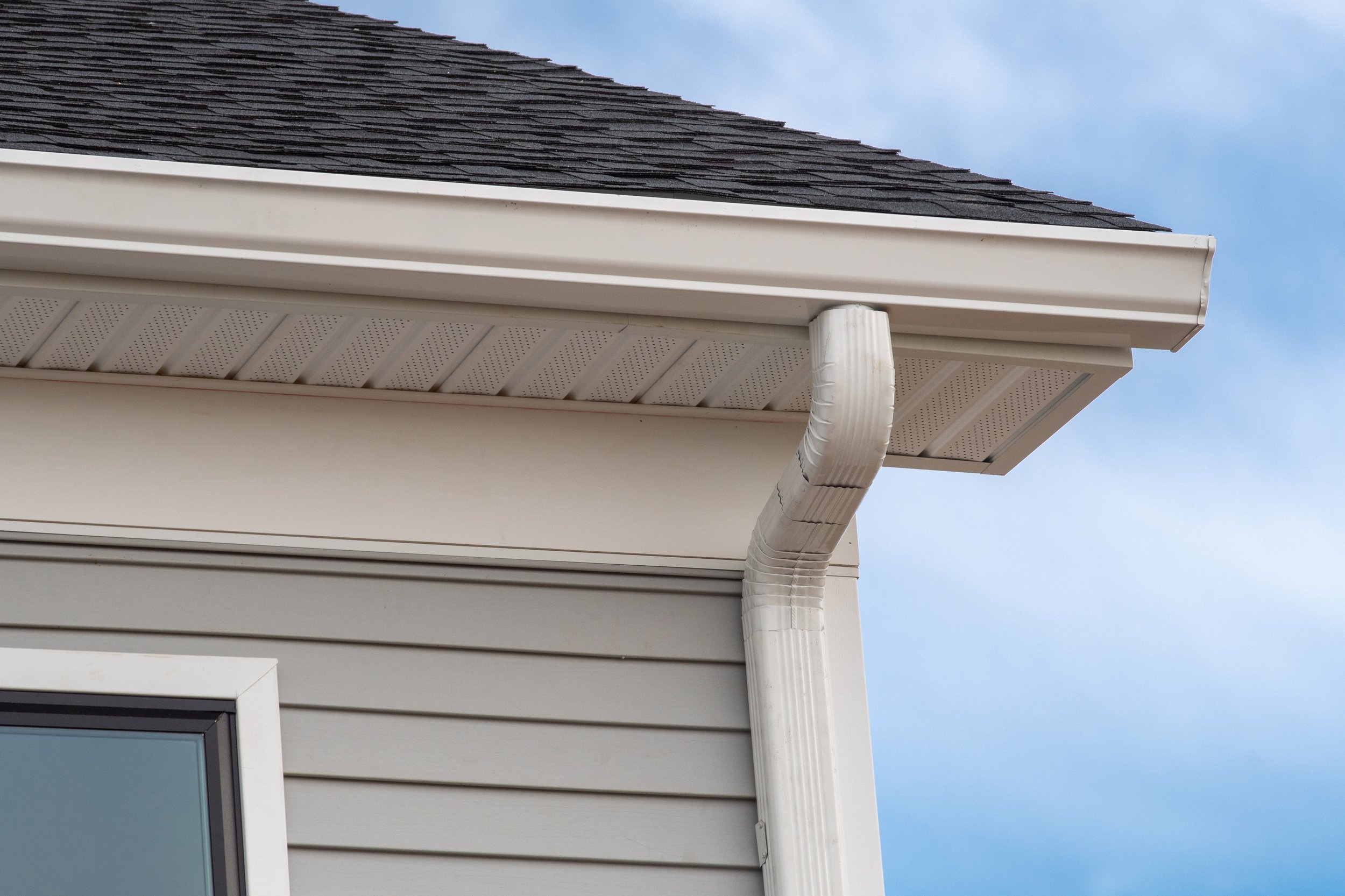
The soffits and fascia often go unnoticed until there’s visible damage, yet they play a big role in protecting your home. Soffits, found on the underside of roof overhangs, allow air to circulate through the attic and prevent moisture buildup. Fascia boards run along the roof’s edge, supporting gutters and creating a finished look.
When these areas start to deteriorate, problems follow. Poor ventilation can cause mold and higher energy bills, while damaged fascia invites pests or makes gutters sag. Watch for peeling paint, soft spots, or rot as early warning signs. Addressing issues early helps maintain airflow and keeps your roofline strong.
If you suspect soffit or fascia damage, contact New Look Roof’s siding experts to ensure these areas are properly repaired and sealed.
To build on the discussion of fascia and its connection to your drainage system, let’s look at another key feature that works hand in hand with it.
Gutters: The Unsung Partner in Roof Health
Even though gutters hang just below your roof, they’re still part of your home’s overall drainage system, and they’re essential to roof performance. Gutters channel rainwater away from your home, preventing it from pooling near the foundation or backing up under the shingles.
When gutters clog with leaves, twigs, and debris, water can overflow and seep beneath your roofing materials, leading to leaks and wood rot. Overflowing gutters can also cause streaking or damage to siding and windows, creating a ripple effect of exterior problems.
Seasonal cleanings, gutter guards, and professional inspections can go a long way toward keeping this system flowing freely. A well-maintained gutter system not only extends the lifespan of your roof but also protects the overall appearance and structure of your home.
To prevent these issues before they start, explore our professional gutter services for cleaning, guard installation, and drainage solutions.
Roof Vents and Attic Ventilation: Keeping Airflow Balanced
A properly ventilated attic is key to a long-lasting roof. Ridge vents, gable vents, and soffit vents all work together to allow heat and moisture to escape while pulling in fresh air. Without good ventilation, trapped heat can cause shingles to age prematurely, and excess moisture can lead to mold growth or wood rot.
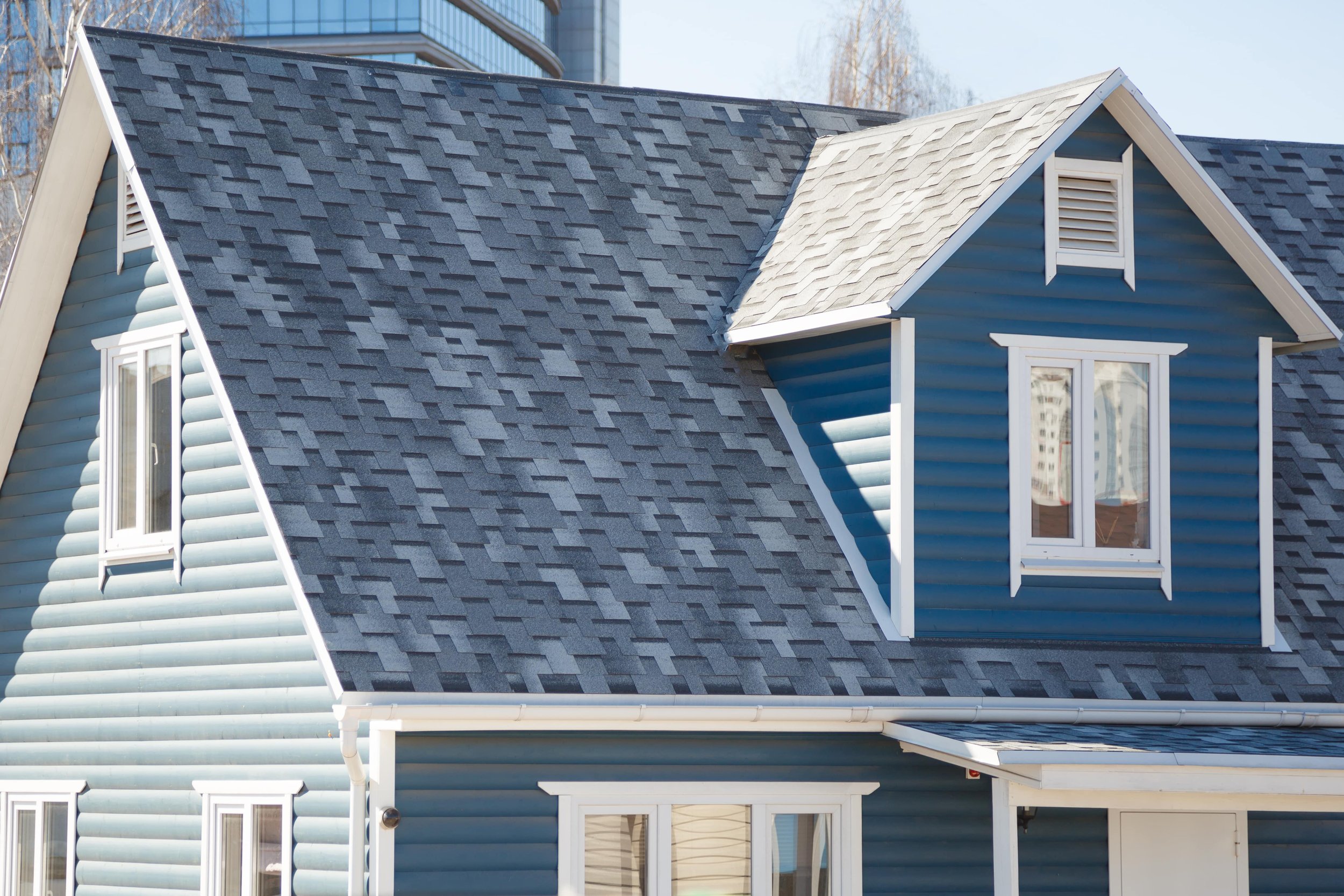
Poor airflow can also cause ice dams in the winter, which form when warm attic air melts snow on the roof, only for it to refreeze at the edges. This buildup can push water under the shingles and cause leaks.
If you notice musty odors in your attic, uneven temperatures in your home, or unusually high energy bills, it might be time for a ventilation inspection. Our team at New Look Roof can assess your roof ventilation system to make sure it’s balanced, efficient, and protects your roof from the inside out.
Underlayment and Roof Decking: The Hidden Foundation
While shingles take the spotlight, what’s underneath them is just as important. The underlayment is a water-resistant barrier installed between your roof deck and shingles. It serves as the final line of defense against moisture in case water gets past the outer layer.
Beneath that lies the roof decking, which acts as the foundation that supports your entire roofing system. When moisture reaches the decking, it can weaken the structure and lead to serious safety concerns.
Because these layers aren’t visible from the outside, damage often goes unnoticed until it’s severe. During a professional roof inspection, our team checks for signs of warping, sagging, or water stains that indicate hidden problems. Replacing damaged decking or worn underlayment ensures your roof remains strong, stable, and watertight for years to come.
Every Detail Matters

A durable, high-performing roof isn’t just about the shingles. It’s about the system as a whole. Each component, from flashing and soffits to gutters and ventilation, plays a critical role in keeping your home safe and energy-efficient. Neglecting even one of these parts can compromise the integrity of your entire roof.
At New Look Roof, we believe small details make the biggest difference. Our experienced team provides comprehensive roof inspections and installations to ensure every layer, joint, and vent on your roof works exactly as it should. Don’t wait for small problems to turn into major damage. Call us today or schedule your inspection online to protect your home and extend the life of your roof. We’re your trusted partner in quality builds, dedicated to keeping your home protected through every season.